Atrial Septal Defect (ASD)
Normal Heart Structure

Atrial Septal Defect
What is an Atrial Septal Defect (ASD)?
An atrial septal defect (ASD) is a hole in the heart between the two upper pumping chambers. A very small hole in this area is called a patent foramen ovale (PFO) – this is a normal finding found in approximately one third of the population. Those with a PFO should avoid deep sea diving.

Symptoms
Most children will have no symptoms. Those with larger defects may become breathless, tire more easily, have slower weight gain and be more prone to respiratory infections.

Diagnosis
A clinical examination will usually reveal a heart murmur. An echocardiogram will diagnose an ASD. An ECG will also be performed and sometimes a chest X-ray. Rarely, more complicated ASDs may require more detailed imaging tests.

Treatment
Small ASDs require no treatment. Some get smaller as the child grows. Larger ones may require treatment. The treatment approach depends on the size and shape of the hole and symptoms.
Some babies may initially require treatment with liquid medicines called diuretics, which make the work of the heart easier.
Holes which need operations may be closed either by keyhole or open-heart surgery. The keyhole approach places a permanent device in the heart via a tube from a vein in the leg. Surgery involves closing the hole with a patch. Dr Naqvi works with an excellent team of audited congenital cardiac surgeons and will refer your child to the best specialist for their needs.
ASD Device
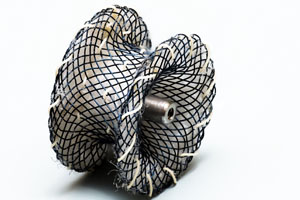
Keyhole Procedure

Cardiac Surgery

Prognosis & Facts
The outlook for children with an isolated ASD is excellent. Dr Naqvi says: “Having an ASD early in life does not stop children doing well in sports or hinder academic achievement later on.”

Did you know?
Many successful individuals have had ASDs, including actress Valerie Azlynn, Olympic soccer player Lauren Cheney, and actress Kate Jackson.